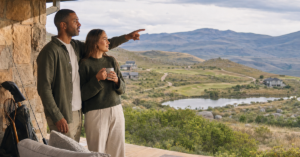
Taking a dog to Dullstroom can be genuinely easy, but only if you plan around the details that usually trip people up: fenced space, estate rules, cold weather, where your dog can walk, and whether “pet-friendly” really means your kind of pet-friendly. This guide walks you through the checks that matter before you book, so your long weekend feels calm instead of complicated.
Dullstroom pet friendly: the short answer
Yes, Dullstroom is one of the easier South African weekend destinations for travellers with dogs because it has open country settings, self-catering stays, and several properties that actively welcome pets. The catch is that rules differ sharply from one venue to the next, so the success of your trip depends less on the town in general and more on choosing the right property and confirming the practical rules in advance.
1. Start with the kind of pet-friendly stay you actually need
The biggest planning mistake is treating all pet-friendly accommodation in Dullstroom as interchangeable. It is not. Before you compare photos or rates, decide which of these setups fits your dog and your weekend style.
In-town vs estate vs farm stay
A stay closer to town usually makes restaurant runs easier, while an estate or farm stay often gives you more quiet, more walking space, and less traffic. Those trade-offs matter if your dog is reactive, elderly, energetic, or not used to busy patios.
For example:
- Highland Giants Estate is off the R540 between Dullstroom and Lydenburg.
- Staying guests there can explore open countryside, waters and walking routes at their own pace.
- The estate is not open to day visitors, which means the environment is more controlled than a public stop-in venue.
- Greystone Lodge can be reached from both Dullstroom and Belfast via the Machadodorp gravel road from the R540, and standard-clearance vehicles can access it comfortably.
That kind of location detail helps you match the stay to your real needs. If you want quick meals in town, remote may be less convenient. If your dog settles better with fewer strangers around, a private estate or farm setup may be far easier.
Self-catering matters more than most people expect
For a pet-friendly Dullstroom weekend, self-catering is often the simplest option because it removes pressure around meal times, waiting in restaurants, and leaving your dog alone in an unfamiliar room. It also gives you more control over muddy paws, feeding routines, medication, and early morning walks.
Ask one question first: fenced or just pet-allowed?
“Pet-friendly” can mean anything from fully enclosed private gardens to “dogs allowed if supervised outside.” Those are not the same holiday.
If your dog likes to patrol boundaries, chases birds, or gets overstimulated by other dogs, the difference is huge. When you shortlist accommodation, ask whether the pet area is:
- fully fenced
- private to your unit
- shared with other guests
- secure for small dogs as well as large dogs
- usable at night
If a listing avoids specifics, do not assume.
2. Check the property rules before you pay
The second common mistake is booking on the words “pet-friendly” alone and only reading the rules later.
Many Dullstroom venues have pet policies that are simple, but specific. A good example of the general rule set used locally is that you should give accurate information when booking about the number and size of dogs you are bringing. Some venues also make guests responsible for fumigation costs if a pet stay causes an infestation.
That means your pre-booking check should cover more than “Are dogs allowed?”
Confirm these rules in writing
Ask the host or booking office to confirm:
- How many dogs are allowed.
- Whether size or breed rules apply.
- Whether pets may go inside all living areas.
- Whether pets are allowed on beds or couches.
- Whether dogs may be left alone in the unit, even briefly.
- Whether the garden is private or shared.
- Whether there are livestock, wildlife, dams, or unfenced roads nearby.
- Whether there is an extra cleaning or damage deposit.
This step avoids most avoidable conflict on arrival.
Estate rules matter too
If you are staying on a private estate, remember that pet rules do not exist in isolation. Estate conduct rules can affect where and how you walk your dog, especially around water, wildlife, and shared spaces.
At Highland Peace Haven’s estate, for instance, residents and guests may not litter or pollute any dam, pond, wetland, or river on the estate. That sounds obvious, but with dogs it has practical implications: pick up waste near water, do not rinse muddy items into sensitive areas, and keep walks controlled around dams.
3. Plan around Dullstroom’s cold, wet, highland conditions
A pet-friendly getaway in Dullstroom is not the same as a coastal weekend. Even when days are pleasant, mornings and evenings can turn sharply cold.
Pack for temperature swings
Your dog may need:
- a warm sleeping blanket or bed from home
- a jacket for short-haired, small, senior, or thin-coated dogs
- an extra towel for dew, rain, or muddy grass
- a water bowl for walks and car stops
- paw wipes for indoor floors and bedding
A familiar bed also helps anxious dogs settle faster in a new space.
Think about wet ground and outdoor routines
Country stays often mean grass, gravel, dams, and dirt tracks rather than paved pavements. If your dog sleeps indoors after wet walks, bring a mud plan: old towels, a mat by the door, and a place for leads and wet jackets.
4. Choose walks and outings that fit the property, not just the destination
People often imagine they will “just find places to walk” once they arrive. That works poorly with dogs.
The smarter approach is to choose accommodation that already gives you enough walking space, then treat extra outings as optional.
Why on-site space is a real advantage
At Highland Giants Estate, guests can explore open countryside, waters and walking routes on the property itself. That matters because it reduces car trips, public encounters, and the pressure of finding a suitable dog walk in town.
For many families, a good pet-friendly long weekend is not about packing the itinerary. It is about having enough safe space close to the unit that the dog gets exercise without everyone needing to drive somewhere first.
Keep control near roads, stock, and water
Even if a property feels open and relaxed, keep your dog under control near:
- access roads
- fishing dams
- horses or livestock
- wildlife zones
- other guests’ cottages
This is where “my dog is friendly” becomes irrelevant. Recall can fail in a brand-new environment full of smells, birds, and moving animals.
5. Plan your meals before arrival
One of the most searched questions in this topic is about pet friendly restaurants in Dullstroom. The useful answer is this: do not build your whole trip around assumptions about restaurant access.
Dog-friendly dining usually means selected outdoor tables, not unrestricted indoor access. Weather, space, and the venue’s comfort level on the day can also change your options.
How to handle pet-friendly restaurants in Dullstroom
Use this decision rule:
- Assume outdoor seating only unless told otherwise.
- Phone ahead if the meal matters, especially on a busy weekend.
- Ask whether dogs must stay on lead beside the table.
- Ask whether there is shade or wind cover.
- Have one self-catering backup meal planned.
That last point is important. If rain arrives, a patio fills up, or your dog is unsettled, self-catering saves the evening.
A better restaurant strategy for dog owners
Book accommodation first, restaurant second. If your stay has a secure outdoor area and comfortable indoor living space for humans, you can be flexible with meals. If your stay has no good pet setup, every lunch and dinner becomes harder.
6. Check the drive and arrival logistics
A low-stress break starts before check-in.
Route and vehicle questions to ask
Road access can influence your choice more than glossy photos do. Greystone Lodge, for example, is accessible via the Machadodorp gravel road from the R540 and can be reached with a standard-clearance vehicle from both Dullstroom and Belfast. That gives travellers a practical benchmark for what “country access” can mean in this area.
Before departure, confirm:
- latest check-in time
- exact pin or written directions
- whether there is mobile signal on arrival
- whether the final stretch is gravel
- whether your dog needs a lead before the car door opens
Make your first 15 minutes boring
Excited arrivals create most escape scares. When you arrive:
- Put the lead on before any car door opens.
- Walk the boundary first.
- Show your dog the toilet area.
- Set up water, bedding, and food before unloading everything else.
- Keep gates and doors controlled until the dog settles.
That routine is simple, but it prevents the classic “new place, open boot, dog gone exploring” problem.
7. Match the stay to your dog, not to someone else’s review
A five-star review can still describe the wrong stay for your situation. Reviews are useful for tone and consistency, but the better filter is fit.
Pick based on these dog profiles
Choose a more private, spacious setting if your dog:
- barks at passing people or dogs
- struggles in busy restaurant areas
- needs off-duty calm between walks
- wakes easily at night
Choose a closer-to-town stay if your dog:
- settles well around people
- is used to patios and short outings
- does not need a large roaming space
- is easiest to manage when routines are simple and outings are short
Family trips need one extra layer of planning
If you are travelling with children and a dog, reduce complexity where you can. A dog-friendly family stay near Dullstroom works best when the unit itself gives you enough room for downtime. Chasing activities all day usually creates more stress than value.
8. Know what “pet-friendly accommodation Dullstroom” should include
When comparing options, use a quality checklist instead of marketing language.
Signs a place is genuinely pet-friendly
Look for details such as:
- clear dog rules before booking
- self-catering layout
- easy outdoor access from the unit
- practical walking space nearby
- no ambiguity about fenced areas
- realistic arrival instructions
- acceptance that dogs are part of the guest plan, not an exception
Listings on major platforms can hint at this. For example, some pet-friendly rentals around Dullstroom highlight group-flexible bedroom layouts, farmhouse-style privacy, or indoor-outdoor living features such as concertina doors opening the living area to a hillside view. Those details are not just aesthetic; they affect how comfortably a dog and family can share the space.
Frequently asked questions
Is Dullstroom a good destination for a weekend away with a dog?
Yes. Dullstroom suits dog-friendly weekends because many stays are self-catering and set in open country environments rather than dense urban blocks. The key is to choose a property whose rules, fencing, and walking setup match your dog.
What should I ask before booking dog friendly accommodation in Dullstroom?
Ask whether the garden is fully fenced, whether it is private to your unit, how many dogs are allowed, and whether dogs may be left alone inside. Also confirm any size limits, furniture rules, and whether livestock, wildlife, or dams are close to the accommodation.
Are there pet friendly restaurants in Dullstroom?
Yes, but in practice this usually means selected outdoor seating rather than full access everywhere. Phone ahead, especially on weekends, and keep one self-catering backup meal in your plan in case weather or seating changes.
Is self-catering better for a pet-friendly Dullstroom break?
Usually, yes. Self-catering makes feeding, medication, muddy paws, early walks, and quiet evenings much easier to manage than a room-only setup.
What is the biggest mistake people make with pet friendly accommodation in Dullstroom?
The biggest mistake is assuming “pet-friendly” means secure and private. Some stays welcome pets without offering enclosed gardens or suitable walking space, so always confirm the exact setup before paying.
Quick checklist before you book
- Choose in-town, estate, or farm stay based on your dog’s temperament.
- Confirm whether the outdoor area is fully fenced and private.
- Declare the number and size of dogs accurately.
- Check whether pets may be left alone indoors.
- Ask about livestock, dams, wildlife, and shared walking areas.
- Plan at least one self-catering dinner backup.
- Pack warm bedding, towels, lead, bowls, and waste bags.
- Confirm the route, final road surface, and check-in instructions.
- Keep your dog on lead at arrival until you have checked boundaries.