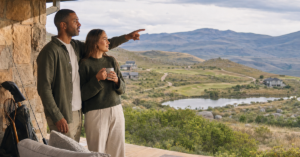
Finding luxury pet friendly accommodation in Dullstroom is usually the easy part. Finding a place that is genuinely comfortable for both you and your pet is where people get caught out. Listings often say “pet-friendly”, but that can mean anything from “small dogs by arrangement” to a properly enclosed cottage with enough outdoor space, self-catering convenience and practical house rules. Use the checks below to separate a beautiful stay from a stressful one.
The short answer
A good luxury pet-friendly stay in Dullstroom should offer more than stylish interiors. Before you book, confirm the fencing, sleeping setup, walking space, self-catering practicality, pet rules, safety details and whether the property’s quality standard is independently graded.
1. Check whether “pet-friendly” means enclosed, not just permitted
This is the first filter because many problems start with assumptions. A property can allow pets and still be a poor fit if the patio is open, the garden is shared, or the boundary is not secure enough for an active dog.
Ask one direct question: Is the unit itself fully enclosed for exclusive-use pet time? That matters more than a vague “pets welcome” line in a directory listing.
What to confirm before paying a deposit:
- Whether the fence surrounds the private unit, not only the wider estate.
- Whether gates latch properly.
- Whether small dogs can slip through rails, farm fencing or hedging.
- Whether your pet will share outdoor areas with other guests’ animals.
In Dullstroom, many stays lean rural or estate-style rather than suburban. That makes secure boundaries especially important because open land, dams and wildlife edges can be part of the appeal.
2. Match the property layout to your pet, not just your travel dates
Luxury means different things in different setups. A couple’s stone cottage with a fireplace may be perfect for two adults and a calm older dog, but not for a family travelling with two energetic pets.
The useful check here is layout, not décor. Ask for the sleeping and living arrangement in plain terms:
- freestanding cottage or room in a lodge block
- ground-floor only or stairs involved
- direct garden access or only via a front door and shared path
- open-plan interior or separate sleeping spaces
- number of pets allowed per unit
This matters because “self-catering” and “luxury” often overlap in Dullstroom, but self-catering units vary a lot in how easy they are to live in with an animal. Some are built for outdoor-in, outdoor-out movement; others are better for a short overnight stay.
A practical rule: if your pet needs early morning outside access, choose a freestanding unit with immediate outdoor space rather than a room-style layout.
3. Make sure the self-catering setup works with a pet routine
For many South African travellers, pet-friendly and self-catering go together for one reason: routine. Feeding times, water bowls, medication, muddy paws and short weather windows are much easier to manage when you are not dependent on formal dining schedules.
That does not mean every self-catering stay is equally practical. Look beyond the photos and confirm these basics:
- easy-to-clean floors rather than delicate rugs throughout
- a kitchen or kitchenette with enough floor space for bowls
- outdoor tap or cleaning point for muddy paws after walks
- fridge space for raw food or medication
- braai or outdoor seating that lets you stay with your pet instead of leaving it inside
Meal logistics matter too. At many accommodation properties, dining works on pre-booking or set service patterns. One South African accommodation property notes that guests should book a dinner table in advance to secure a spot. That is a useful reminder for pet travellers: if dinner requires advance booking or a separate venue, decide whether your pet can be left alone comfortably before you assume the food plan will work.
4. Ask where your pet is allowed inside the unit
One of the most common booking mistakes is assuming pets are welcome everywhere indoors. In reality, some properties allow pets inside but not on beds or couches; others restrict animals to tiled living areas or verandas.
That is not a minor detail when you are paying for a luxury stay. Comfort depends on whether the house rules fit real life.
Get clarity on:
- whether pets may sleep indoors
- whether you need to bring your own dog bed or blanket
- whether pets are allowed on furniture
- whether there are extra cleaning rules at checkout
- whether damage deposits apply specifically to pet stays
If you travel with a senior dog, a small breed used to indoor sleeping, or an anxious rescue, this point can decide whether the stay feels restful or tense.
A useful way to phrase it: “Can you share the pet house rules for inside the unit?” That tends to get a clearer answer than asking only whether the property is pet-friendly.
5. Look beyond scenery and ask about real safety details
Dullstroom’s appeal is obvious: open space, dams, walks and quiet surroundings. But the same features that feel relaxing to people can create risk for pets if you do not ask the right questions.
Safety checks should include:
- Proximity to water such as trout dams, streams or unfenced ponds.
- Whether roads inside or near the property carry passing vehicles.
- Whether neighbouring units keep dogs.
- Whether the area has livestock, horses or wildlife that could trigger chasing.
- What emergency contacts are available locally.
From the estate knowledge available for the area, practical emergency numbers may include fire services, SAPS support and the Poisons Information Centre. Even if you never need them, accommodation in a country setting should not leave you scrambling for basics if a pet is injured, gets into something toxic, or bolts during a storm.
For nervous or reactive dogs, ask specifically whether the property is quiet in practice, not only scenic in photos.
6. Use grading and listing type as a quality check, not the only quality check
If you are paying for a luxury stay, it helps to verify whether the property meets an external accommodation standard. In South Africa, the Tourism Grading Council lets travellers search for graded accommodation, which is a useful filter when you want more confidence around overall setup and service level.
That said, grading is not the same as pet suitability.
Use this two-step approach:
- First, check whether the property is formally graded if consistent quality matters to you.
- Then, separately confirm the pet specifics, because grading does not tell you whether a fence is secure or whether your dog may stay indoors.
Directory and guide sites can still be useful for comparison. Broad accommodation platforms in South Africa commonly let travellers filter for categories such as pet-friendly stays, self-catering options and different luxury tiers. That helps you build a shortlist faster, but the final decision should still come down to direct answers from the host or property manager.
7. Plan the practical extras people forget until arrival day
Luxury breaks often go wrong on tiny details, not major ones. A beautiful unit can still be inconvenient if the nearest fuel, groceries or meal option is not close by and your pet limits how easily you can pop out.
One South African accommodation property notes that the nearest petrol pump is a 15 to 20 minute drive away and only operates during business hours on weekdays and until 12h on Saturday. The exact distance will differ in Dullstroom depending on where you stay, but the lesson is solid: rural-style accommodation requires more planning than an in-town hotel stopover.
Before leaving home, confirm:
- check-in and check-out times
- whether late arrival is allowed
- where to buy pet food if you run short
- whether there is backup power or alternative heating in cold weather
- whether your bank card or EFT timing will affect check-in if a balance is due
Dullstroom can turn cold quickly, so if you are travelling in winter, ask about indoor heating and whether the pet sleeping area stays warm enough overnight.
Common mistakes that make “pet-friendly” bookings disappointing
Choosing on photos alone
Beautiful interiors do not tell you whether your dog has a safe place to settle outside or whether access is shared.
Assuming all self-catering stays are equally pet-ready
A stylish kitchen does not help much if there is no secure outdoor area, no practical cleaning point and no direct access outside.
Forgetting meal logistics
If dinner needs advance booking or happens away from your unit, you need a plan for your pet before arrival, not after.
Asking only “Are pets allowed?”
That yes-or-no question hides the details that actually matter. Ask about fences, indoor rules, exclusivity of outdoor space and number of pets permitted.
Frequently asked questions
What counts as pet-friendly accommodation in Dullstroom?
Pet-friendly accommodation in Dullstroom should allow pets under clear, usable conditions, not just in theory. The most useful signs are a secure enclosed area, practical indoor rules, enough outdoor space, and a layout that lets you manage feeding, sleeping and walks without disturbing other guests.
Is self-catering better for pet-friendly stays?
Yes, self-catering is usually the easier option for pet travellers. It gives you control over feeding times, cleaning, medication, muddy paws and evenings in, which matters more when you are travelling with an animal than when you are doing a standard hotel break.
How do I compare luxury pet-friendly accommodation in Dullstroom?
Compare the pet setup separately from the luxury features. Start with fencing, private outdoor access, indoor pet rules and safety around water or roads, then compare comfort factors like views, fireplaces, quality finishes, heating and the overall standard of the unit.
Final takeaway
The simplest way to book well is to treat “luxury” and “pet-friendly” as two separate checklists that both need to pass. If the stay looks exceptional but the pet rules are vague, keep asking. If the pet setup is excellent but the layout or quality level does not match the break you want, keep comparing. A few direct questions before you book can save you from the most common disappointments.